
From 5,000 to 10,000 km: Essential Care
This is the “strategic maintenance” period. While you already know that oil and filter changes are recurring elements during this time, we can’t forget to check the vehicle’s alignment and balancing. This check is extremely important for…
Oil Change: It Goes Beyond Mileage
Even with the standard recommendation of 5,000 to 10,000 km, the type of oil used makes all the difference:
- Mineral oil: cheaper, but requires more frequent changes (every 5,000 km)
- Semi-synthetic: a balance between cost and durability
- Synthetic: greater thermal protection and longer intervals between changes, potentially exceeding 10,000 km in more modern cars
If you drive less frequently, but only on short trips or in city traffic with frequent stops and starts, the recommendation changes. Intensive use (heavy traffic, many cold starts, dust, etc.) requires a change sooner, even before reaching the maximum mileage.
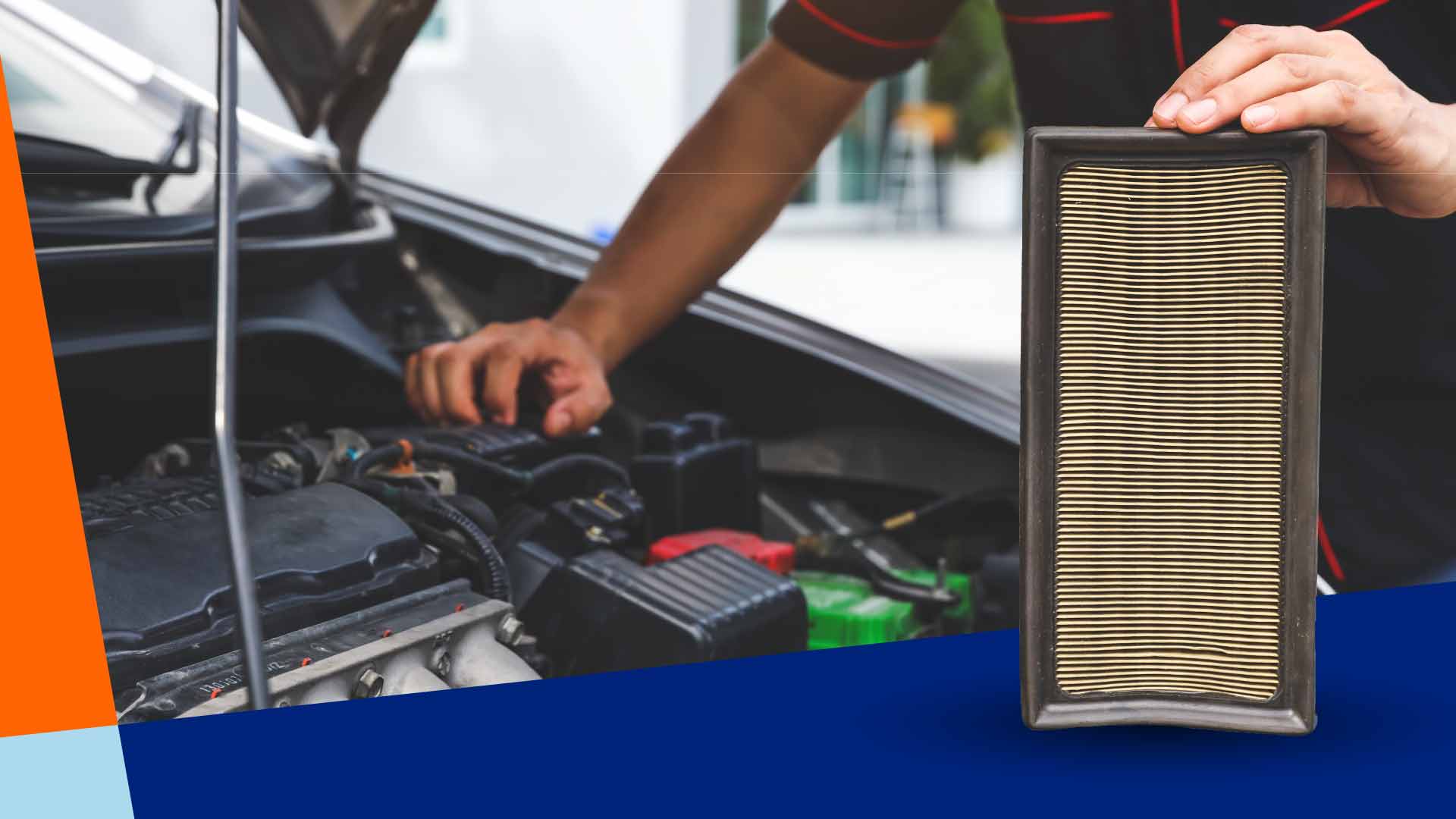
Cabin filter: the forgotten part of the first service
Did you know that the air conditioning filter (or cabin filter) also needs attention at this point?
- Dust, mold, and bacteria begin to accumulate.
- This can damage the air quality inside the car.
- It increases the workload on the ventilation system, even affecting fuel consumption.
Technical recommendation: The inspection should be carried out every 5,000 km or every six months, especially in large cities or regions with high pollution.
Alignment and balancing: It’s not just about tire wear.
Many people think that the steering wheel only needs alignment when it pulls. They’re wrong.
- Driving with misaligned wheels increases fuel consumption.
- Steering loses precision and the car may “float” on curves.
- Tires wear unevenly and their lifespan is reduced.
Tip: Check your tires every 10,000 km or after significant bumps or impacts. If you feel vibrations in the steering wheel, have it balanced as soon as possible.
Early warning signs to watch out for
Even before reaching 10,000 km, pay attention to:
- Higher than normal fuel consumption
- Engine takes longer to start
- Metallic noises when starting the car
- Strange smell coming from the air conditioning
- Steering wheel is misaligned even when driving straight
These signs indicate that it’s not the mileage that matters, but the car’s performance.
15,000 to 30,000 km: Time to check key parts
This is a critical usage range: the car has been driven enough to show signs of wear, but it’s still in optimal condition if properly maintained.
Spark plugs
Simple parts, but crucial for performance. With each ignition cycle, they ignite the air-fuel mixture and ensure the engine runs smoothly. When they start to fail, you’ll notice a loss of power, increased fuel consumption, and difficulty starting the engine.
Tip: Even without apparent symptoms, it’s recommended to change them between 20,000 and 30,000 km, depending on the type (standard, platinum, or iridium).
Fuel filter
It’s the guardian of the fuel injection system. A clogged filter allows impurities to pass through, which can damage or simply clog the injector nozzles.
Tip: It’s important to check the replacement interval in your car’s manual, but it’s usually between 15,000 and 25,000 km.
Suspension Check
Harsh jolts, vibrations, or noises when going over bumps are clear signs that it’s time to check the shock absorbers, bushings, and bumpers. Even if everything seems fine, this mileage already requires a preventative check.
Pay Attention to Engine Signals
If your car starts to misfire, stalls on hills, or loses power when accelerating, the problem could be dirty or partially clogged injectors. This happens when residue accumulates in the injection system, often caused by fuels with poor cleaning additives.
40,000 to 60,000 km: Extra Attention
This is the turning point. The car has already gone through the tune-up phase and now requires more thorough care to continue delivering safe performance. If you’ve kept up with the maintenance up to this point, great, but it’s not time to let your guard down.
Timing Belt (or Timing Chain)
The most common engine problem when neglected. If the timing belt breaks, the damage can be catastrophic: bent valves, damaged pistons, and the entire engine at risk.
Preventative replacement is generally recommended between 40,000 and 60,000 km, but this can vary depending on the model.
Important: Newer cars may use a timing chain, which lasts longer, but also requires regular inspection.
Automatic Transmission Fluid
Responsible for lubrication, cooling, and the operation of the transmission, this fluid loses its properties over time and due to the heat generated during gear changes.
Change it between 50,000 and 60,000 km, or according to the manufacturer’s maintenance schedule. If you notice jerking when shifting gears, take your vehicle to a mechanic sooner than expected.
Brake Fluid
Even with light use, brake fluid absorbs moisture over time, which can affect braking performance.
The maximum replacement interval is two years, regardless of mileage. Check if the brake pedal feels spongy. This could indicate that the fluid is expired.
Cooling System
This system keeps the engine temperature under control. At this stage, the radiator fluid should be drained and replaced to prevent overheating, a leading cause of breakdowns on Brazilian roads.
The water pump, thermostat, and expansion tank should also be inspected.
Over 80,000 km: Maintaining Its Breath
If your car has made it this far in good condition, it speaks volumes about how well it’s been treated. But don’t be fooled. With so much mileage, it’s normal for some critical parts to start needing more attention.
This is where maintaining its breath comes in, preventing a well-used car from becoming a problem.
Complete Suspension
The suspension, which absorbs impacts and maintains the car’s stability, can show advanced wear in the shock absorbers, bushings, mounts, and bump stops. The most common signs? Metallic noises, vibrations on uneven surfaces, and a loss of ride comfort.
Note: This inspection should be carried out by a trusted mechanic, using a lift and practical tests.
Steering and Clutch System
At this stage, the steering system may develop play and stiffness, especially in older models with power steering. The clutch, whose lifespan varies, may begin to slip or require more force to engage, indicating clear wear on the disc and pressure plate.
Tip: If it needs replacing, take the opportunity to inspect the flywheel and bearings.
Electrical Components and Battery
Over time, connectors, wiring harnesses, and sensors begin to oxidize, which
- Gulf regular gasoline already comes with additives, meaning you don’t need to pay more for quality.
- Gulf diesel additive also protects the fuel injection system and ensures better performance.
Using poor-quality fuel can cause the oil changes recommended here to be needed sooner. And nobody wants that, right?
Take care of yourself today so you don’t spend more tomorrow.
Knowing what to change and when to do it is half the battle. The other half is choosing reliable products. Gulf has your back! Our fuels and lubricants are designed to keep your car running smoothly and driving safely.
Want more tips? Follow the Gulf blog for more content on how to keep your car running smart and economically.

